
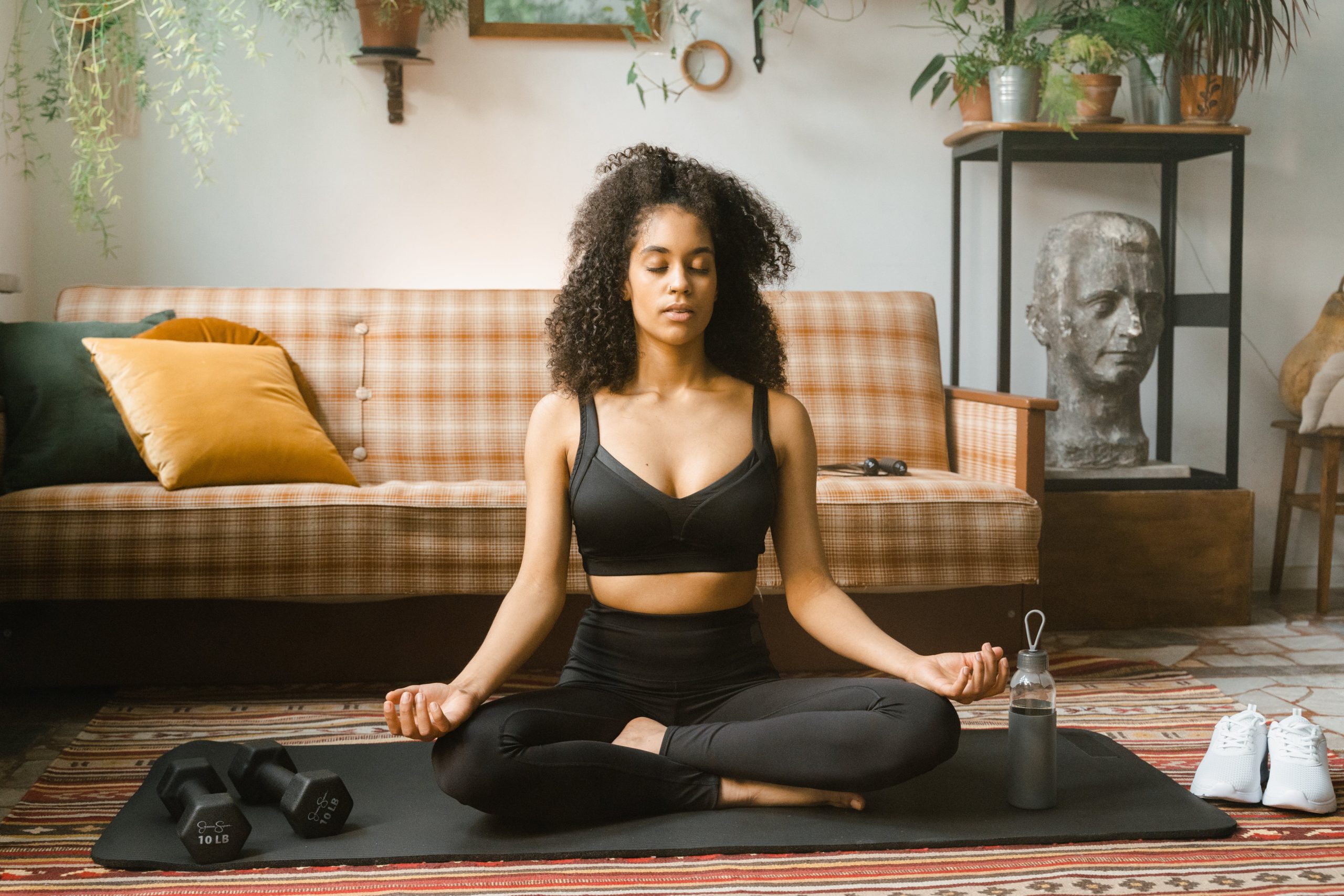
The Art of Slow Living: Why Less Can Actually Mean More for Your Health
Introduction: When Life Feels Too Fast
We live in a world that moves at lightning speed. Our calendars are full, our phones never stop buzzing, and our to-do lists seem to grow faster than we can check things off. This constant push to do more, be more, and have more often comes at the expense of our mental and physical health.
Slow living is the antidote—a way to step off the treadmill of busyness and reclaim a life that feels intentional, calm, and deeply fulfilling.
What Is Slow Living?
Slow living isn’t about literally slowing down everything you do or abandoning responsibilities. Instead, it’s a conscious choice to live more mindfully, prioritize quality over quantity, and align your lifestyle with your values.
At its heart, slow living is:
* Intentional – You choose your commitments and routines with care.
* Mindful – You’re present in the moment instead of rushing toward the next task.
* Sustainable – You make decisions that are kind to your mental health, body, relationships, and even the planet.
Slow living can mean different things for different people:
* For some, it’s simplifying possessions and embracing minimalism.
* For others, it’s spending more time in nature or cooking meals from scratch.
* It could be working fewer hours or building space for hobbies and creativity.
The beauty of slow living is that it isn’t one-size-fits-all—it’s about designing a life that feels nourishing to you.
The Health Benefits of Slow Living
Research shows that chronic busyness and stress increase your risk for burnout, anxiety, depression, and even physical illnesses like heart disease. By slowing down, you create the opposite effect—one that nourishes both body and mind.
Benefits include:
1. Lower Stress Levels – More downtime allows your nervous system to shift from constant “fight or flight” into “rest and digest.”
2. Improved Mental Clarity – Less rushing means more focus, creativity, and better decision-making.
3. Better Sleep – A slower pace often means fewer late-night emails and more time to wind down.
4. Deeper Relationships – When you’re present, your connections strengthen.
5. Boosted Physical Health – Lower stress hormones can improve immunity, digestion, and heart health.
Core Principles of Slow Living
To truly understand slow living, it helps to look at some of its core guiding principles:
* Do Less, But Better – You focus on a few things and give them your full attention.
* Live Seasonally – Align your lifestyle and habits with the natural rhythms of the year.
* Value Experiences Over Things – You invest in moments and memories rather than constant consumption.
* Prioritize Connection – Whether it’s with yourself, loved ones, or nature, connection is at the heart of a slower life.
Practical Ways to Embrace Slow Living
You don’t have to move to a cabin in the woods to slow down. You can weave the principles of slow living into your everyday life right where you are.
* Start Your Day Without Your Phone – Give yourself 10–15 minutes to breathe, stretch, or journal before checking messages.
* Say No More Often – Every “yes” to something unimportant is a “no” to what matters.
* Eat Without Multitasking – Step away from screens and actually taste your food.
* Schedule White Space – Protect open time in your calendar for rest, hobbies, or nothing at all.
* Simplify Your Environment – A cluttered space fuels a cluttered mind.
* Practice Single-Tasking – Give your full attention to one activity at a time instead of juggling multiple things.
A Day in the Life of Slow Living
Imagine this:
You wake up to natural light instead of an alarm blaring. You make a warm cup of tea and enjoy it by the window, noticing the sound of birds. Your workday is focused, but you take regular breaks to stretch and step outside. Meals are unrushed. In the evening, you sit on the porch with a book or chat with a loved one instead of scrolling endlessly on your phone.
This doesn’t mean your life is problem-free—but your pace allows you to actually experience it, rather than just survive it.
The Mindset Shift: From Productivity to Presence
Slow living asks us to redefine success—not by how much we accomplish, but by how fully we live. It challenges the cultural belief that our worth is tied to our busyness and invites us to measure our days in moments of connection, joy, and peace.
When we shift from productivity to presence, life becomes less about checking boxes and more about living fully in each season we’re in.
Final Thoughts
Life doesn’t have to feel like a constant sprint. By slowing down, we give ourselves permission to truly experience the richness of the present moment.
Less really can mean more—more health, more joy, and more meaning.