
Spring in Colorado Springs brings more than just warmer weather. It’s also the time of year when kids start thinking ahead to new grades, new teachers, and sometimes new schools. These changes can feel exciting, but they can also cause a lot of stress, especially for kids who already have trouble coping with big feelings.
Transitions in school can be hard. Whether a child is moving into middle school, starting high school, or simply adjusting to a new classroom, change brings questions and uncertainty. Child therapy in Colorado Springs can give kids a steady place to talk through their concerns, understand what they’re feeling, and get ready for what’s ahead.
Understanding School Transitions in Childhood
Even if kids don’t say much, school changes can stir up a lot of emotions. Some just get quiet. Others may act out more or avoid things they used to like.
- Many kids worry about new teachers, harder work, or whether they’ll make friends
- Some feel pressure to “do better” or “grow up,” even when they’re not ready
- Kids who already have anxiety or struggle with focus might feel even more unsure as routines shift
As adults, it can be easy to forget how much school changes affect kids day to day. Children often show what they feel through actions rather than talking. For example, a child who once looked forward to school might start having headaches, stomachaches, or ask to stay home. Others might come home in a bad mood or seem distant. These are all ways that big feelings about change can show up, even if the child can’t express them.
They might not have the words to explain it, but they feel the difference. When big transitions come without much support, children can feel lost in the shuffle. They may begin to believe that something is wrong with them when really they are going through adjustments that are perfectly normal.
How Therapy Helps Kids Process Big Feelings
Therapy gives kids space to think out loud without judgment. It gives them a quiet place to feel heard, especially when the rest of life feels rushed or overwhelming.
- Through talking, play, drawing, or games, kids can process what’s happening and how it’s making them feel
- A therapist helps them name emotions like worry, sadness, or fear so those feelings don’t stay bottled up
- When kids feel less stressed inside, they’re better able to manage how they react on the outside
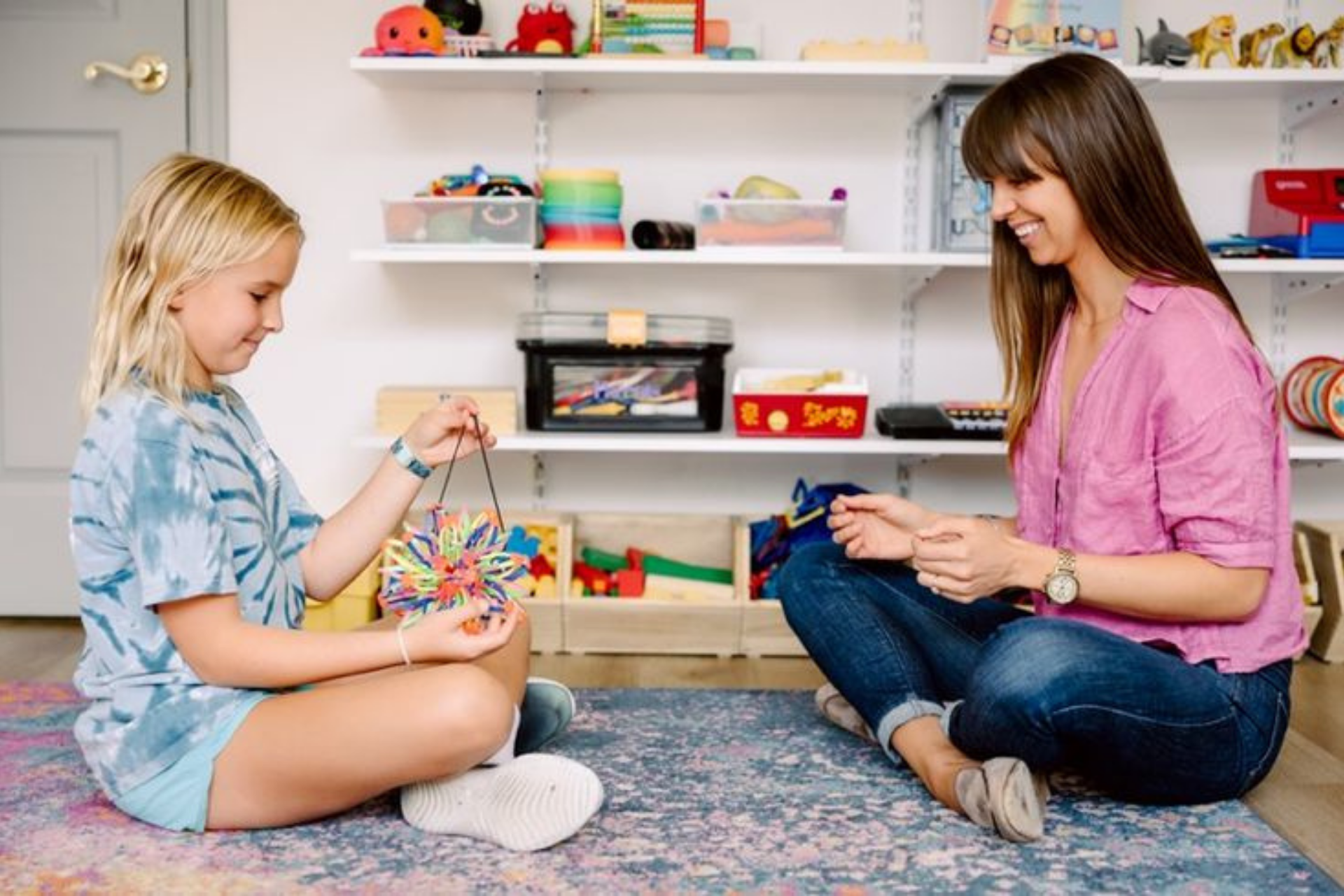
Therapists often use gentle questions or games to help children notice and explore their feelings. They might use crafts, role-play, or simple stories to help children make sense of what they’re experiencing. This can make a big difference for kids who may not want to sit and talk directly about what’s on their minds. It’s a process that helps the child realize they’re not “bad” for feeling nervous or upset, and that those feelings make sense when lots of things are changing around them.
Transitions bring new experiences. Therapy helps kids face them with tools rather than just reacting. As they learn coping skills and how to talk about their feelings, they start to feel more capable and less confused. These tools can help not only during the big school change but also in other tough spots that come up during their year.
Supporting Routines and Structure Through Change
One big part of school transitions is having to adjust to new routines. That part alone can throw some kids off. Maybe school starts at a different time, or now there’s more homework, or lunch is later than they’re used to.
- Therapy can help kids and families build simple routines leading up to a big change to help ease the shift
- Therapists often guide children through what to expect and rehearse what a day might look like
- When routines feel predictable, kids feel steady, even when other pieces are changing
Preparing before a change happens can help a child feel more in control. Therapists might work with families to practice morning routines or after-school schedules. They might encourage visual charts, gentle reminders, or practice walks through the new school building so kids know what to expect. When routines feel predictable, children can focus their energy on learning and growing instead of worrying. With consistency, kids learn where they need to be and when, which helps with confidence.
It’s not about having a perfect plan. The goal is for things to feel more manageable and less scary. It’s about helping kids feel like they have something to hold onto when the rest feels unsure. This kind of support can make even bigger transitions, like moving to a new school or starting kindergarten, much easier to face.
Working with Families to Build School Readiness
Transitions don’t happen in a bubble. Changes at school often bring changes at home too. That’s why therapy often includes parents or caregivers in the process.
- Parents might join sessions or connect with the therapist briefly to check in on progress
- These chats help adults understand what kind of support works best for their child
- When needed, therapists can help families talk with teachers or schools in a way that supports the child’s transition
When parents work together with the therapist, they learn tips and language they can use at home. Sometimes families discover simple ways to help, like calming activities before bedtime or clearer morning routines. Therapists can help parents look for patterns, such as when their child feels most anxious or what changes help the most. They can also coach parents on how to talk to teachers so the whole school team understands the child’s needs.
At Solace Solutions Counseling and Evaluation, we often partner with schools and families to create a team approach that helps children adapt smoothly during school changes. We offer flexible appointments, including evenings and telehealth, making it easier for families to get support that works with their schedules.
When everyone’s on the same page, kids have a better chance to succeed. The idea isn’t to fix every challenge, but to give the child a web of support that makes tough moments feel more manageable. Families, schools, and therapists each bring unique insights, and with everyone working together, children feel seen and supported on all sides.
A More Confident Start to What’s Next
Kids go through a lot during a school year. When we give them the space to sort their thoughts, work through feelings, and prepare for changes, we give them more than just short-term relief. We help build confidence that lasts.
Spring is a good time to think ahead. Starting therapy now gives kids time to settle in, get tools that work for them, and approach the next grade or school with less fear. With the right support, transitions can feel like steps forward, not setbacks.
The more supported a child feels, the more likely they are to use new skills and coping strategies both in and out of the classroom. As children try out these supports, they start to believe in themselves and take healthy risks, like making new friends or joining a club. They see change as a new adventure rather than just something to worry about.
Growing Stronger Through School Transitions
If we notice the signs early and give space for kids to talk through their worries, those big changes become something they can handle, not something they avoid. By working with skilled child therapists right here in Colorado Springs, families can support children as they adjust to new routines and academic challenges, building confidence for the years ahead.
Transitions will always be a part of growing up, but they don’t have to be overwhelming. With caring adults and experienced therapists by a child’s side, each new year can be met with more ease, less stress, and a stronger sense of belonging. No child needs to face these transitions alone, and support is within reach for families managing school changes this spring and beyond.
At Solace Solutions Counseling and Evaluation, we know how challenging school transitions can be for children. Navigating these big changes with the support of a professional can make all the difference. If you’re interested in how child therapy in Colorado Springs can help your child build confidence and manage their emotions, now is the perfect time to learn more. Contact us to discover how we can work together to provide the understanding and support your child needs for a smooth transition.