
ADHD or Your Diet? How Food and Lifestyle Play a Role in Mental Health
October is ADHD Awareness Month, a time when we hear stories, share resources, and think about how ADHD impacts individuals and families. But one important question often gets overlooked: What if some of the symptoms we associate with ADHD are actually linked to diet and lifestyle?
A Story From the Therapy Room
When I started my private practice in 2020, one of my first clients was a young man who struggled with focus and frequent anxiety. He was worried he might have ADHD.
As I gathered intake information, I asked about his daily habits — including his diet. He admitted to drinking multiple energy drinks every single day. Red Bull, Monster, you name it.
We decided to run a little experiment. He gradually cut back, then eliminated the energy drinks altogether. Within weeks, his anxiety faded, his focus improved, and he felt calmer and more emotionally steady.
Had he gone to a traditional medical provider, chances are he would have walked away with a prescription for Adderall, Ritalin, or even a benzodiazepine. Instead, a simple dietary change turned things around.
The Hidden Role of Lifestyle in Mental Health
This story isn’t unique. Many “mental health symptoms” — difficulty focusing, feeling restless, anxiety, irritability — may be strongly influenced by what we put in our bodies.
Research shows that inflammation plays a key role in both physical and emotional well-being. A 2023 study in Recent Advances in Inflammation & Allergy Drug Discovery notes that while inflammation is a natural defense mechanism, chronic inflammation can contribute to a wide range of disorders. Pharmaceuticals are often prescribed, but they come with potential side effects and limitations (Nair & Kopilakkal, 2023).
So, what’s the takeaway? Before assuming a medical diagnosis, we need to ask: Is my lifestyle — especially my diet — part of the problem?
The Case Against Red Dye 40
One ingredient that has sparked concern is Red Dye 40, a synthetic food coloring. While the European Union requires warning labels on products containing it due to potential links with hyperactivity in children, in the U.S. it remains widely used.
It hides in many products marketed to kids:
* Kellogg’s Froot Loops (Kellogg’s SmartLabel)
* General Mills TRIX (General Mills)
* Fruit Gushers (General Mills SmartLabel)
* Fruit Roll-Ups (Fruit Roll-Ups)
* Pop-Tarts Frosted Strawberry (Kellanova)
* Skittles (Skittles)
* Kool-Aid Jammers (Amazon)
* Yoplait TRIX Kids Cups (Yoplait)
* Children’s Tylenol (DailyMed)
* Children’s Motrin (DailyMed)
And it’s not just candy and cereal. Some children’s medications still contain this additive.
For families, this can be heartbreaking. A child shows signs of distractibility and restlessness, parents seek medical advice, and before long, the child is on a stimulant prescription. But what if a major contributor was hiding in their snack drawer?
Energy Drinks, Sugar, and the ADHD Connection
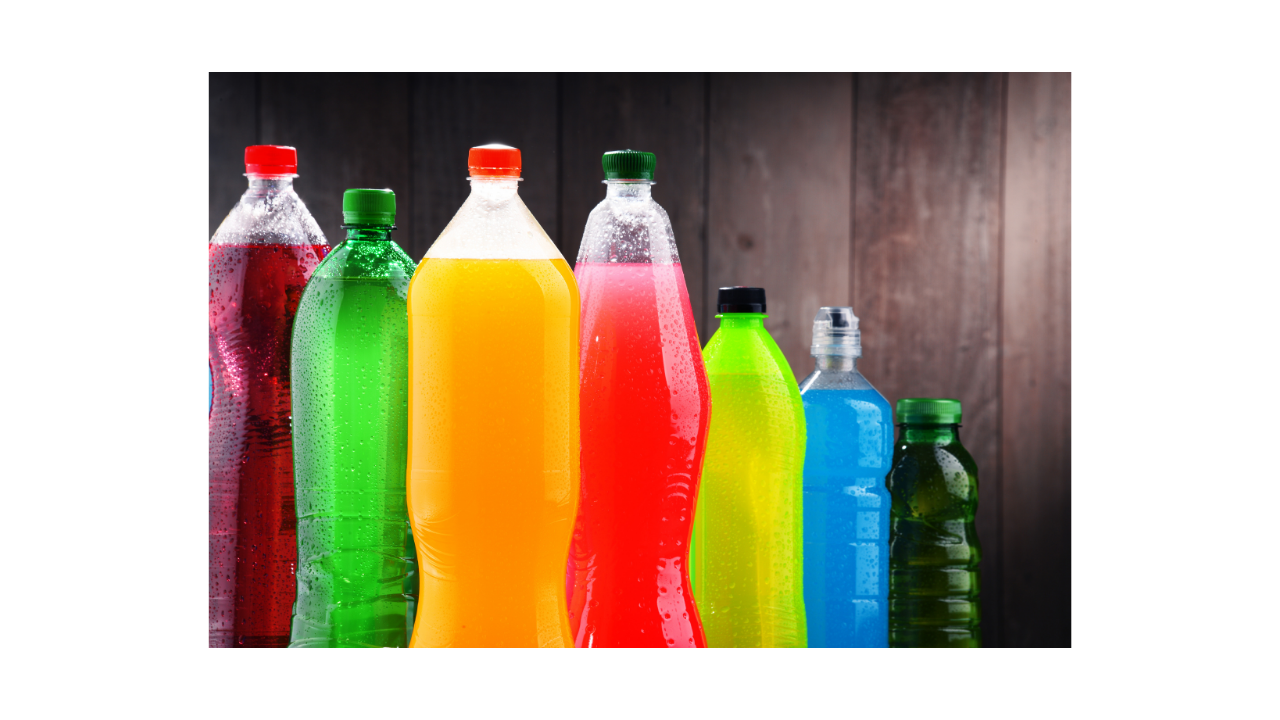
It isn’t just food dyes. Energy drinks and high-sugar foods are another major culprit. These products spike blood sugar and overstimulate the nervous system, leading to crashes, irritability, and poor focus.
For children, the effects can look exactly like ADHD:
* Bursts of hyperactivity
* Inability to sit still
* Difficulty focusing in class
* Irritability or meltdowns
For adults, it might show up as anxiety, brain fog, or difficulty sustaining attention at work.
Practical Steps You Can Take
Before jumping straight to a diagnosis, here are a few simple but powerful steps to consider:
1. Check food labels. Look for Red Dye 40 or other synthetic colorings.
2. Cut back on processed snacks. Replace them with whole foods — fruits, veggies, nuts, and yogurt.
3. Limit sugary drinks. Encourage water, herbal teas, or naturally flavored sparkling water instead.
4. Watch caffeine and energy drinks. They may give a temporary boost, but often worsen focus and emotional regulation long-term.
5. Track behavior changes. Notice how your child (or you!) feel after removing certain foods or drinks.
The Bigger Lesson
Does this mean ADHD isn’t real? Absolutely not. ADHD is a legitimate condition that affects many people. But it does mean that some symptoms can be mimicked or worsened by diet and lifestyle factors.
We do our families a disservice when we skip straight to medications without first considering how everyday choices — breakfast cereal, after-school snacks, or daily energy drinks — might be playing a role.
Final Thoughts
Before assuming you or your child has a medical condition requiring lifelong treatment, pause. Look at your plate. Look at the ingredient lists. Ask: Is my food fueling my focus — or fighting against it?
A balanced diet won’t “cure” ADHD, but it can reduce unnecessary suffering, help medications work more effectively if needed, and support overall brain health.
This ADHD Awareness Month, let’s not only spread awareness of ADHD itself, but also of the powerful role nutrition and lifestyle play in mental wellness.* Sleep: Our Human Superpower and a HUGE Stress Reliever
* Purposeful Parenting: A Therapeutic Approach to Raising Resilient Children
* CDC: ADHD Data and Statistics
* NIH: Food Additives and Hyperactivity
Citation:
Nair AS, Kopilakkal R. Nano-Phytopharmaceuticals in Inflammation. Recent Adv Inflamm Allergy Drug Discov. 2023;17(1):31-38. doi: 10.2174/2772270817666230123121836. PMID: 36734911.